home / what would my backrooms look like? / childhood bedroom backrooms
the most personal liminal space
Childhood bedroom backrooms
Your childhood bedroom as a liminal space is the most emotionally loaded rebuild there is: that specific room, emptied of you, the bed stripped or gone, the window still catching light at the same angle it did when you fell asleep as a kid. liminals.space takes your own photos and reconstructs it as the half-remembered, eerie version your brain holds at 3am.
2 photos · $4.99 · no account · your photos aren't saved.
childhood bedroom → the backrooms
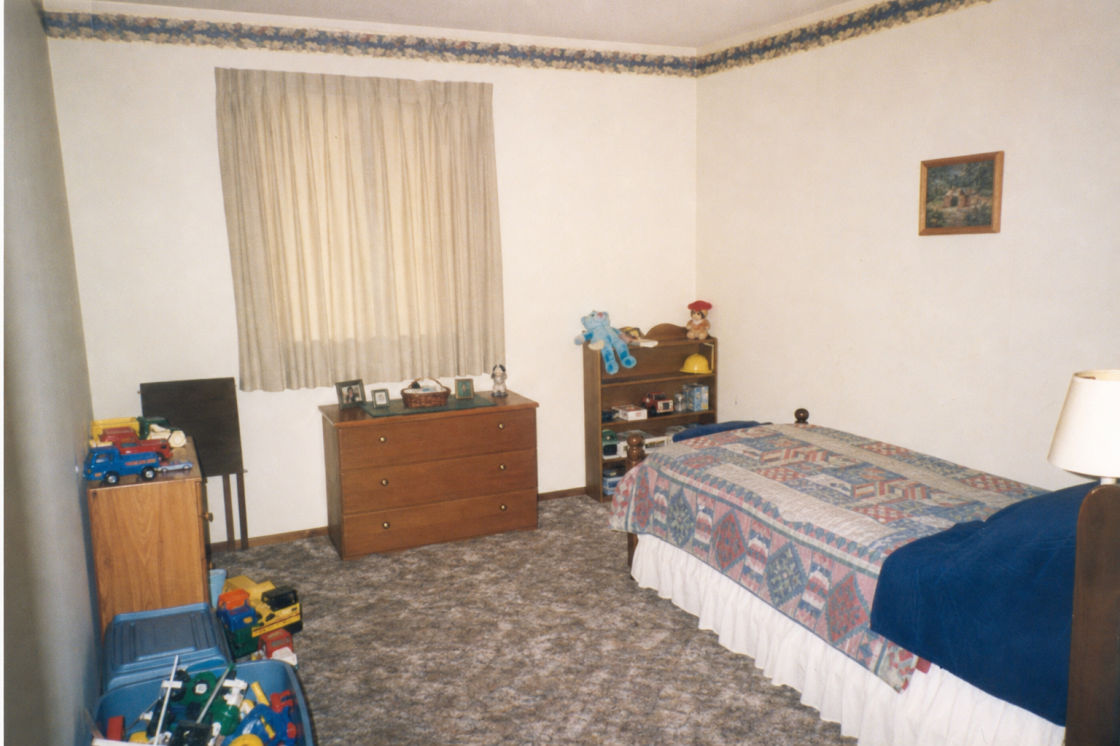
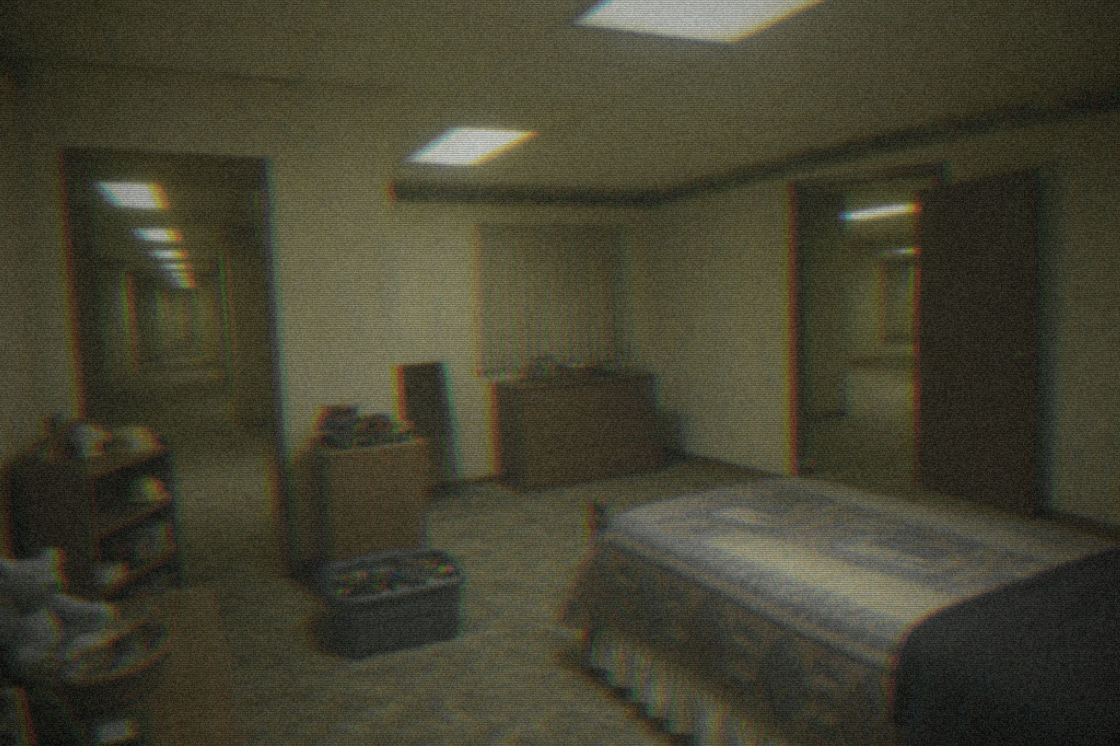
a second bedroom → its backrooms
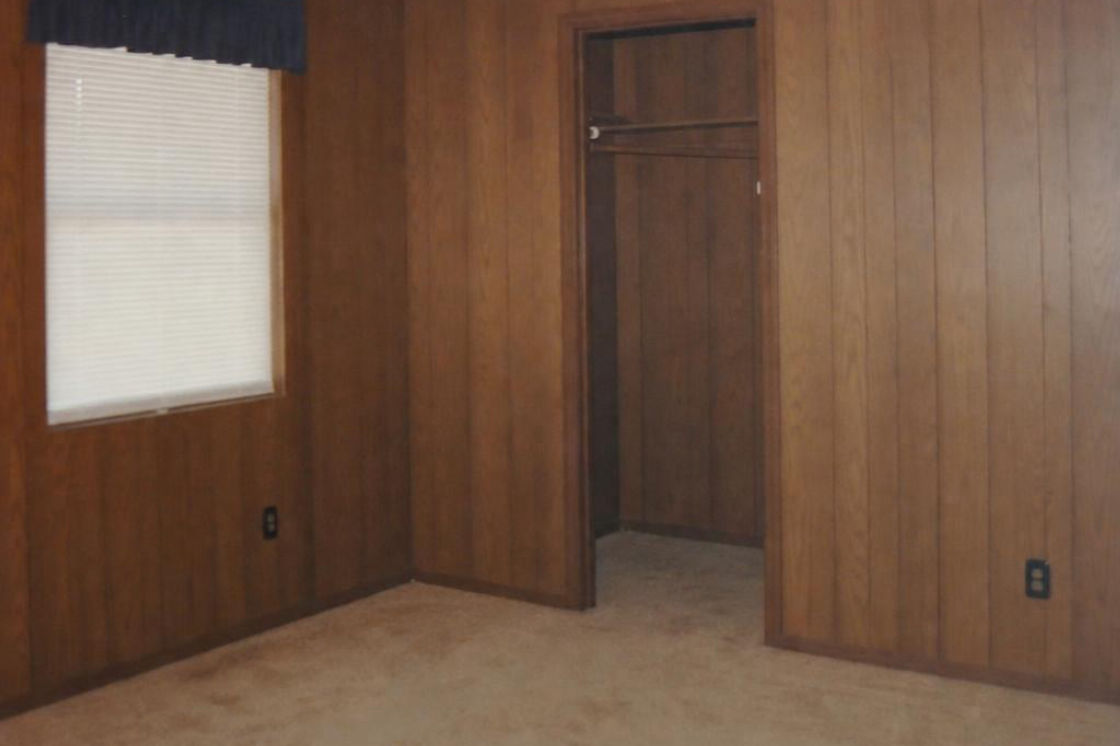
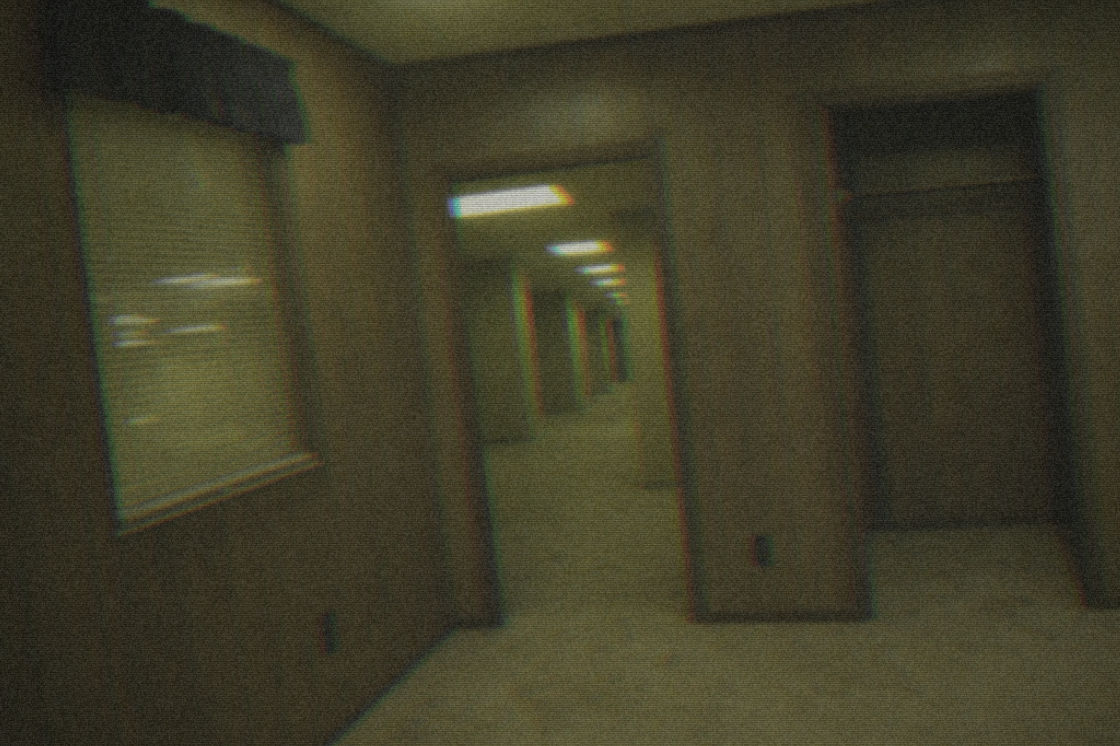
These before/after images are real examples from our own engine, not customer photos.
Why a childhood bedroom hits differently
Most liminal spaces are public: a school hallway, a mall corridor, a hospital waiting room. They feel uncanny because your brain remembers them full of noise and people, and now they're silent. A childhood bedroom does something different. It was private. It knew you at your youngest, most unformed self. The proportions of it (how small the window looked, how the ceiling was the last thing you saw at night) are lodged somewhere pre-verbal.
When you see it emptied in that liminal-space aesthetic, no blankets, no posters, fluorescent-cold or amber-warm depending on how your memory renders it, the feeling isn't just eerie. It's grief you didn't know you were carrying. The room existed. It held a version of you that no longer exists. That's the tender part of this particular rebuild.
What the rebuild leans into
The angle of the light
Every bedroom has a window that did something particular at a certain time of day. Morning light raking across the carpet. Afternoon light turning the curtain amber. The AI picks up on window placement and surface reflectance from your photos and preserves that quality of light, so the rebuilt room feels like yours at a specific hour, not a generic room at no time at all.
Wallpaper and poster ghosts
Bare walls tell their own story. If your photos show the faint rectangle where a poster lived, or a wallpaper pattern that only ran partway to the ceiling, those details carry into the rebuild. The algorithm treats surface texture as memory, not something to smooth away. A room stripped of its decorations is still fully that room.
The doorway
The threshold matters more than you'd think. A childhood bedroom doorway is where the world outside the room became the room: where a parent knocked, where you listened to the sounds of the house settling at night. A shot that catches the door, or the wall it sits in, gives the rebuild a sense of being inhabited even though it's empty.
Rebuilding a room that no longer exists
For most people the childhood bedroom isn't a place they can walk into and photograph. The house was sold, the room became an office, the wallpaper went under two coats of landlord white. The room survives only in the background of old photographs: birthday mornings, a cousin on the floor, half a bed and one curtained window behind whoever the camera was pointed at.
Those photos work. Scan or re-photograph two prints from a family album — with as much of the room visible as you can find — and the engine treats what's in the background as the memory evidence it needs: the window's position, the carpet, the light. The rebuild won't be the room as it was. It will be the room as it survives in that photograph — which is the only place it still exists — emptied, and held.
There is something quietly right about that. The version you get back was built from the last remaining evidence that the room was real, which is more or less how your own memory built its version too.
How to do it: four steps
- Gather your photos. You need exactly 2. Aim for empty, people-free shots. Pick two angles that say the most about the room: the view from the doorway and the window wall, or the corner where you slept and one close detail (floor texture, ceiling, a wall surface). Scanned old photos work; recent photos of the room as it is now work too.
- Upload to liminals.space. No account needed. Your photos go straight to the generator and are deleted after processing. They're never stored or seen by anyone else.
- Pay once: $4.99. See how it works on the homepage examples first, then a single flat payment ($4.99 one-time, handled by Polar) sets the generation running. No account, no subscription.
- Get the full experience. We generate both rooms at full resolution, graded onto worn VHS tape, and deliver a downloadable keepsake: the complete set as images plus a PDF in a single zip.
2 photos · $4.99 · no account · your photos aren't saved.
Other rooms worth rebuilding
The bedroom is the most personal, but the places just outside it carry their own weight.
Frequently asked questions
- Why does a childhood bedroom make such a powerful liminal space?
- Because it was private in a way no other liminal space is. Public spaces (hallways, malls, waiting rooms) feel uncanny when emptied of strangers. A bedroom emptied of you is something else: a held memory of a self that no longer exists. The grief is specific. That's what makes it land harder than any generic corridor.
- What photos should I use?
- People-free shots work best. You upload exactly 2 photos, so pick the two angles that say the most: the view from the doorway and the window wall, or the corner where you slept and a detail shot (carpet texture, wallpaper pattern, a light fixture). Recent photos are fine if the room still exists. If it doesn't, try photos from family albums scanned on your phone.
- Will it recognise my specific room?
- Yes. liminals.space extracts anchors from your photos rather than inventing a generic room, so your layout, window placement, objects, and surface textures are the memory evidence. The fragments should feel unmistakably yours, even though the final room is new and wrong. That is the whole point.
keep reading
Why liminal spaces feel nostalgic · School hallway liminal space · 90s mall liminal space · What would my backrooms look like? · FAQ